

Dental and Bone Surgery
What is bone grafting and when is it needed?
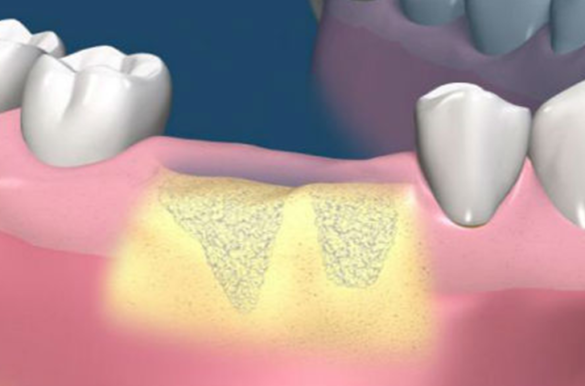
Bone grafting is a surgical procedure aimed at restoring or increasing the volume of the jawbone. It is performed when the natural bone is insufficient to provide stable support for teeth or dental implants.
This procedure is indicated in cases of bone loss (atrophy) caused by:
✓ Long-term tooth loss: Without chewing stimulation, the jawbone gradually becomes thinner and may resorb over time.
✓ Periodontal diseases: Chronic inflammation of the gums and surrounding tissues can lead to the destruction of the bone that supports the teeth.
✓ Planned dental implantation: When implant placement is required but the existing bone volume is not sufficient to ensure long-term stability and fixation.
Sinus Lift Procedures
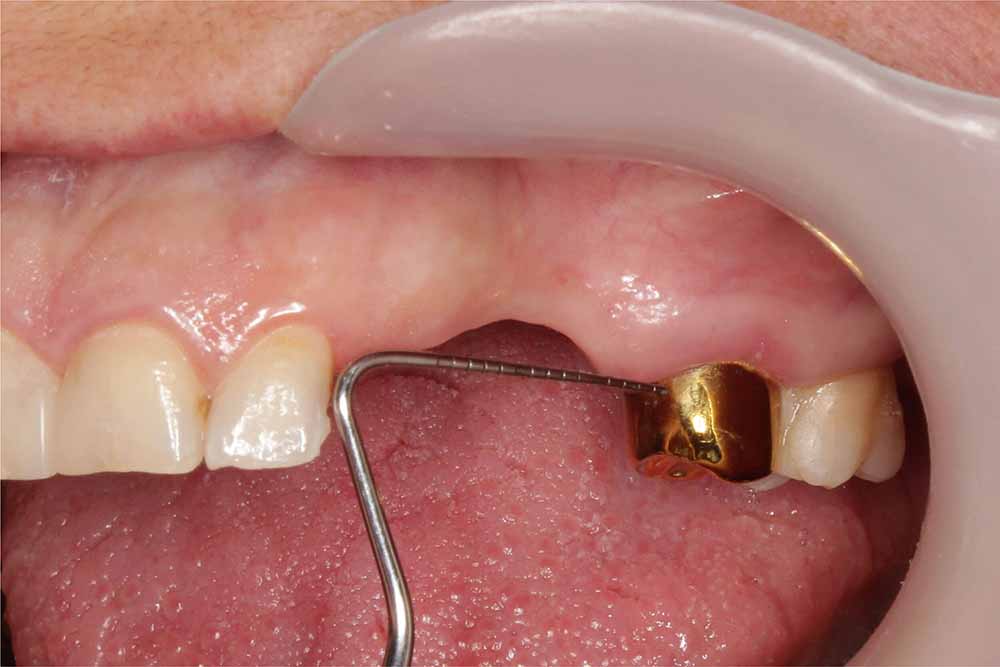
Sinus lift is a highly precise surgical procedure used to increase bone volume in the posterior upper jaw. It allows the elevation of the maxillary sinus floor and creates a sufficient bone base for safe dental implant placement.
After tooth loss, the bone in this area gradually resorbs, while the maxillary sinus may expand, further reducing available bone height. Therefore, bone reconstruction is often required before implant placement.
At MaryClinic, two main sinus lift approaches are used depending on the degree of bone deficiency and the clinical situation.
Types of Sinus Lift Procedures
Open sinus lift
Open sinus lift is a classical surgical technique used in cases of significant bone deficiency, typically when the residual bone height is less than 4–5 mm.
During the procedure, a small access is created on the lateral side of the gum to reach the jawbone. The sinus membrane is carefully lifted, and the created space is filled with bone graft material.
During the procedure, a small access is created on the lateral side of the gum to reach the jawbone. The sinus membrane is carefully lifted, and the created space is filled with bone graft material.
This method allows the restoration of even extensive bone loss and provides a stable foundation for future implants. Implant placement is usually performed 3–6 months later, after complete bone formation.
Closed sinus lift
Closed sinus lift is a minimally invasive technique used when the existing bone height is sufficient to ensure primary implant stability (approximately 5–7 mm), but additional bone augmentation is still required.
The procedure is performed through the same access prepared for implant placement, without additional incisions. The sinus floor is gently lifted, bone graft material is added, and the implant is placed during the same visit.
The main advantage of this method is that bone augmentation and implant placement can be performed in a single session, reducing overall treatment time and making recovery faster and more comfortable.
Gum (gingival) plastic surgery
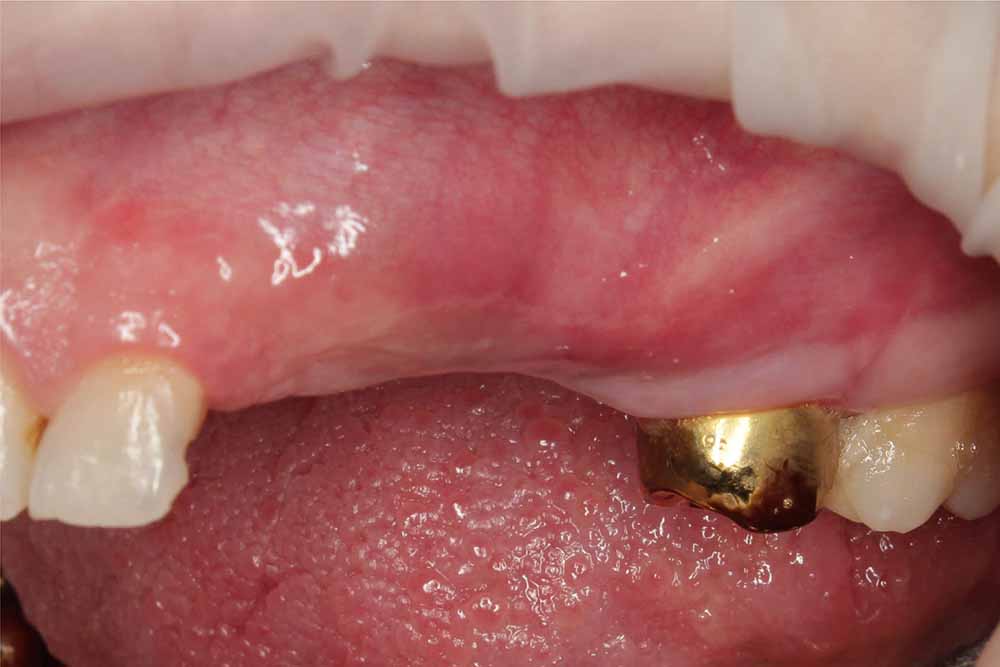
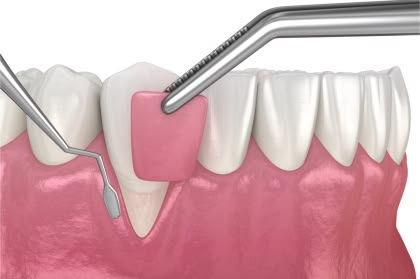
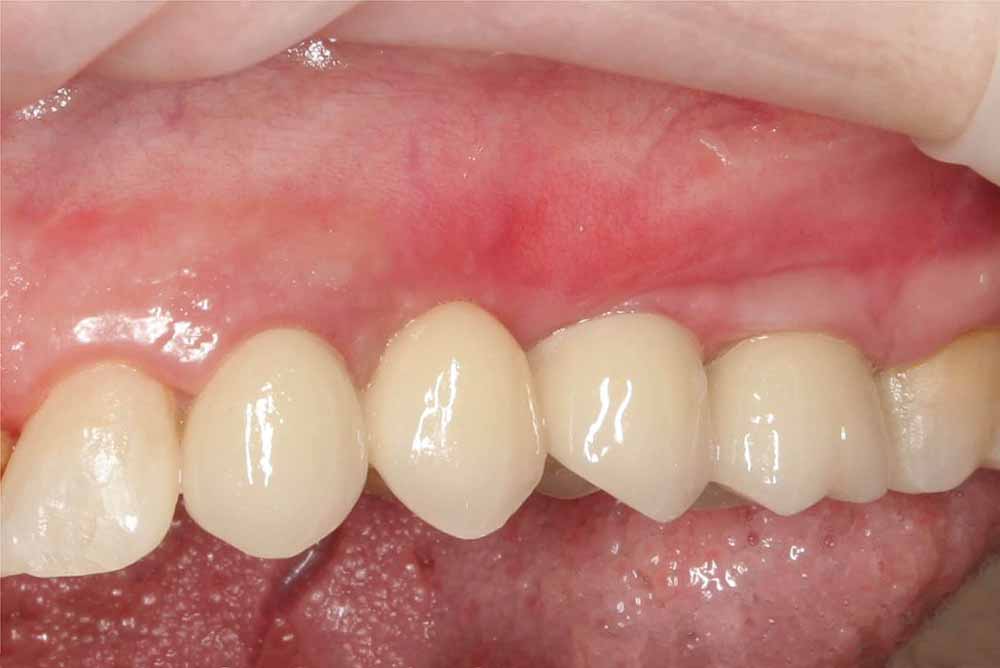
Gingival plastic surgery (gingivoplasty) is a surgical procedure aimed at restoring, reshaping, or correcting the gum line. It can be performed for both aesthetic and medical reasons.
It is applied in cases involving a single tooth, multiple teeth, or the entire dental arch, depending on clinical needs.
The main goal of gingivoplasty is to restore the natural anatomy of the gums and improve both functional and aesthetic conditions.
Gingival plastic surgery addresses several key issues:
✓ restoration of the gum line and symmetry
✓ protection of tooth root areas
✓ reduction of sensitivity
✓ prevention of periodontal problems
✓ improvement of smile aesthetics
✓ protection of tooth root areas
✓ reduction of sensitivity
✓ prevention of periodontal problems
✓ improvement of smile aesthetics
Surgical dental procedures at MaryClinic
At MaryClinic, modern surgical dental procedures are performed, focusing on both the preservation and restoration of teeth, as well as the comprehensive treatment of bone and soft tissues.
All procedures are carried out using an individualized treatment approach based on thorough diagnostics and treatment planning, ensuring safety, predictable results, and long-term stability.
If you are considering surgical dental treatment in Yerevan, MaryClinic offers complete care using modern techniques and a personalized approach. An installment payment option is also available, allowing patients to receive treatment and pay in convenient installments.
All procedures are carried out using an individualized treatment approach based on thorough diagnostics and treatment planning, ensuring safety, predictable results, and long-term stability.
If you are considering surgical dental treatment in Yerevan, MaryClinic offers complete care using modern techniques and a personalized approach. An installment payment option is also available, allowing patients to receive treatment and pay in convenient installments.
Why choose MaryClinic?
At MaryClinic, each patient receives an individualized treatment plan based on detailed diagnostics and modern medical approaches.
We offer:
✓ a team of experienced and highly qualified doctors
✓ modern diagnostic and treatment equipment
✓ precise treatment planning
✓ high standards of sterility and safety
✓ an individual and caring approach
✓ a team of experienced and highly qualified doctors
✓ modern diagnostic and treatment equipment
✓ precise treatment planning
✓ high standards of sterility and safety
✓ an individual and caring approach
Book your appointment at MaryClinic and receive a personalized consultation for the health and restoration of your smile.

Frequently Asked Questions
-
Bone grafting is not mandatory for all implantations. The need for a bone graft (bone augmentation) arises only when a long time has passed since the tooth extraction, and the bone has naturally thinned and resorbed (atrophied). If the width and height of the bone are sufficient to securely hold the implant, the surgery is performed right away without bone grafting.
-
This is a fairly slow and lengthy process. On average, the complete integration of the augmented bone material and the formation of your own strong bone takes 4–6 months (depending on the body's characteristics and the scope of the surgery).
-
Gum grafting is necessary when there is gum recession, which exposes the roots of the teeth, or when there is not enough thick, protective gum tissue around the implant, which is crucial for both aesthetics and the longevity of the implant. As a rule, the required gum tissue is harvested directly from the patient's own palate (the roof of the mouth) under local anesthesia. The delicate tissue taken from there integrates wonderfully into its new location, and the palate area heals very quickly and seamlessly.