How to Take Care of Your Teeth with Braces

30-12-25

Braces are an effective way to straighten teeth and improve your smile, but they also require special care and attention. Because brackets and wires create extra surfaces where food and plaque can collect, maintaining proper oral hygiene becomes even more important during treatment. With the right daily habits and regular professional care, you can protect your teeth, gums, and braces while achieving excellent results.


Dental Care Recommendations After Getting Braces

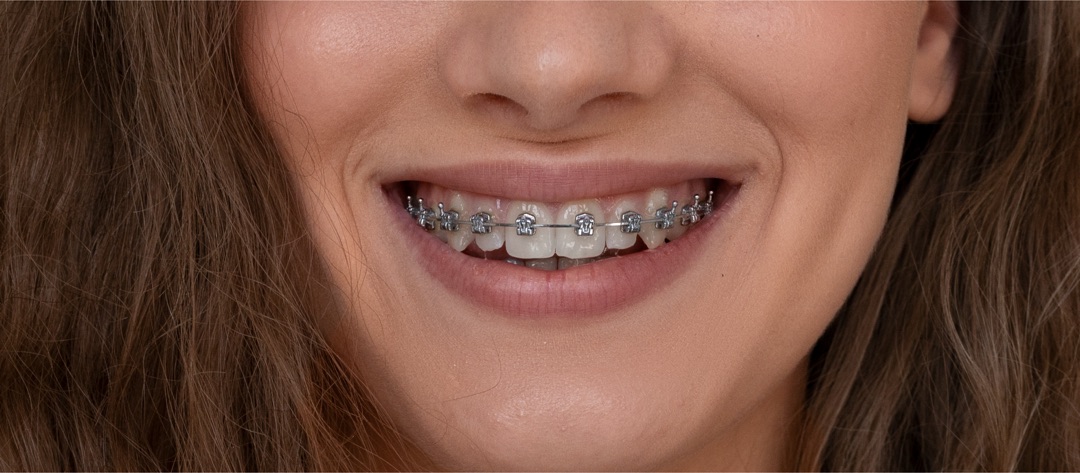
After braces are placed, food particles and plaque can easily become trapped around brackets and wires. This makes oral hygiene more challenging and increases the risk of cavities, gum inflammation, bad breath, and staining if care is neglected.

To keep your teeth healthy throughout treatment, consistency and attention to detail are key. Creating a daily routine for cleaning your teeth and braces will help prevent complications and ensure that treatment progresses smoothly and on time.


How to Take Care of Your Mouth with Braces

If you wear braces, following these  daily care guidelines is essential:

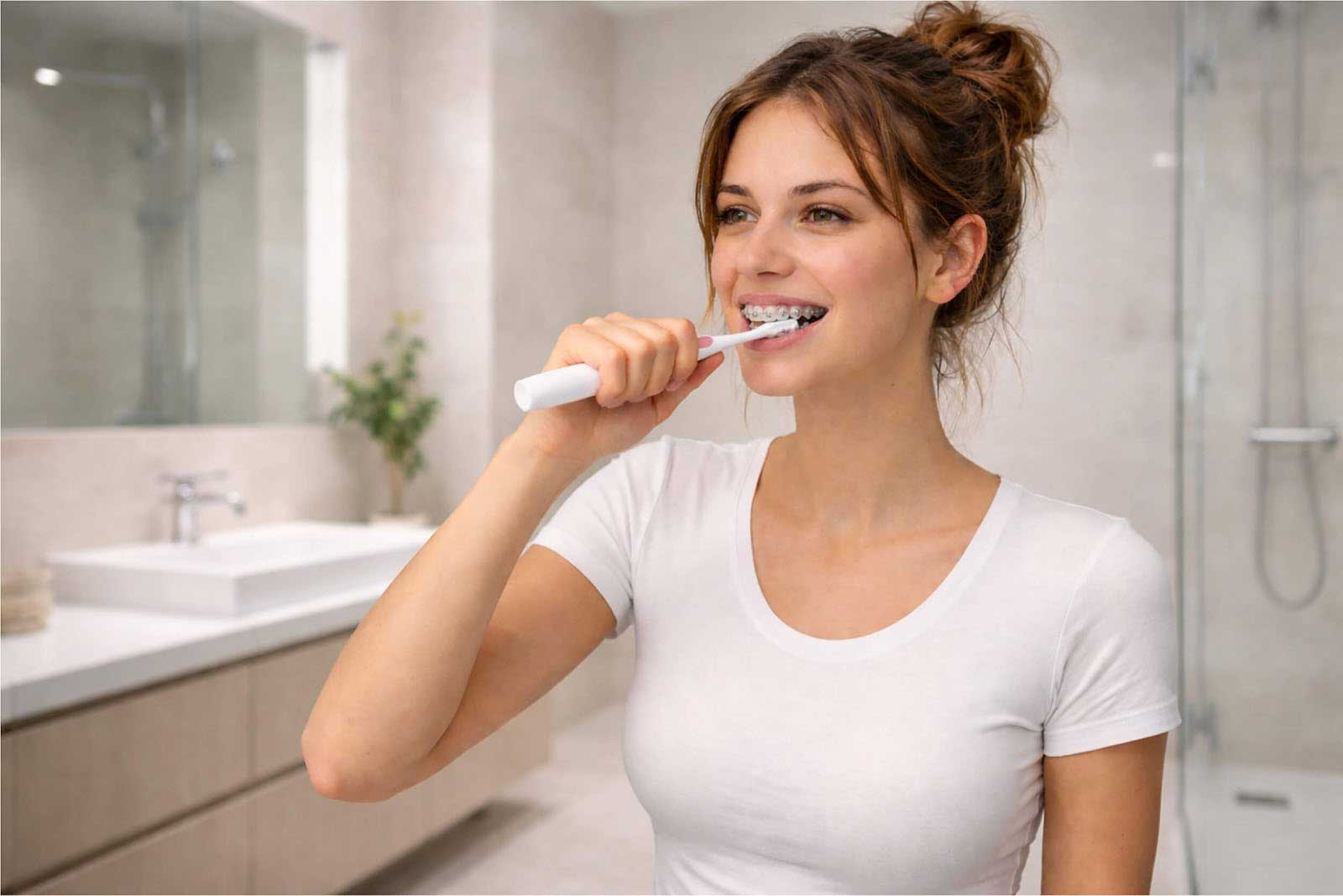
  • Brush your teeth with toothpaste after every meal, or at least twice a day, using a soft-bristled toothbrush. Pay special attention to cleaning around brackets, wires, and along the gum line.
  • In addition to a toothbrush and toothpaste, use extra hygiene tools such as dental floss, floss threaders, interdental brushes, and preferably an oral irrigator to clean hard-to-reach areas.
  • An orthodontic or electric toothbrush can help remove plaque more effectively.
  • Use an antibacterial or fluoride mouthwash to reduce bacteria, strengthen enamel, and keep your breath fresh.

Professional care is just as important as home hygiene. You should visit a dental hygienist every 2–3 months for professional teeth cleaning, and make sure to have tartar removal at least once every 6 months. Tartar builds up faster around braces and can lead to gum disease and enamel damage if not removed regularly.


What You Can and Cannot Do with Braces

Certain habits can damage braces and delay treatment. Make sure to avoid:

  • Biting nails, pens, or hard objects
  • Pulling on wires or brackets
  • Skipping tooth brushing or flossing
  • Using your teeth to open packages

Recommended habits include:

  • Follow your orthodontist’s instructions carefully
  • Attend all scheduled adjustment appointments
  • Wear elastics or retainers as prescribed
  • Inform your orthodontist if anything feels loose, broken, or painful

Being mindful of your daily habits helps avoid unnecessary repairs and keeps treatment on track.


What to eat and avoid with Braces

Diet plays a major role in caring for  braces. Some foods can damage brackets or wires, while others can easily get stuck and cause hygiene problems.

Foods to avoid:

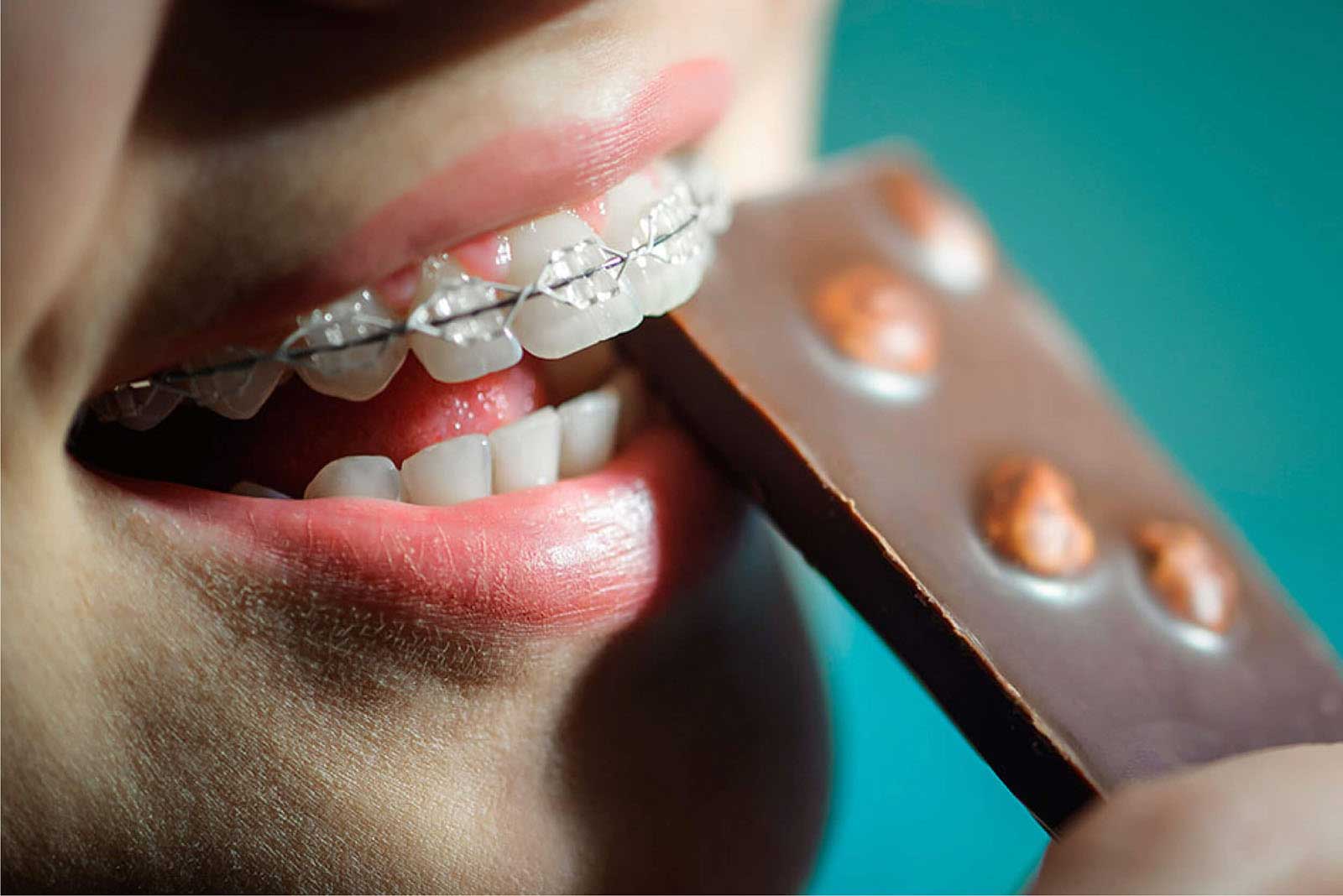
  • Hard foods (nuts, ice, hard candy)
  • Sticky foods (caramel, chewing gum, toffee)
  • Very crunchy foods (chips, popcorn)
  • Biting directly into hard fruits like apples

Foods you can eat:

  • Soft foods (yogurt, soup, mashed potatoes)
  • Cooked vegetables
  • Pasta, rice, and soft bread
  • Soft fruits cut into small pieces

Cutting food into smaller pieces and chewing carefully makes eating safer and more comfortable.
Therefore,  proper daily hygiene, regular professional cleanings, and smart food choices help ensure faster, safer, and more effective results. With the right care, braces can be a smooth and successful journey toward a healthier, more confident smile.


Why Choose MaryClinic

At MaryClinic, the braces treatment process is designed to be as efficient, accurate, and comfortable as possible. Advanced diagnostics, precise treatment planning, and experienced specialists ensure predictable results and a smooth treatment journey. Every step is carefully managed to deliver safe, effective, and long-lasting outcomes.

Precision in treatment and confidence in results. in one word - MaryClinic.

Other articles
Resolving Dental Issues with Orthodontics: A Closer Look at Adult Braces
In recent years, orthodontic treatment for adults has seen a surge in popularity, and for good reason. With advancements in dental technology, addressing dental problems through orthodontics has become more accessible and effective than ever before.
20-10-23
Vitamins for Healthy Teeth: A Guide to Optimal Oral Hygiene
Maintaining healthy teeth is crucial for a radiant smile and overall well-being. While regular brushing and flossing play a significant role in oral hygiene, incorporating essential vitamins into your diet can further bolster the health of your teeth. In this article, we'll explore the key vitamins that contribute to healthy teeth and discuss how you can integrate them into your daily routine.
30-10-23
How to Properly Care for Your Child's Teeth: Tips from MaryClinic
Proper oral hygiene is paramount for a child's overall health and well-being. A healthy set of teeth not only enables comfortable eating and speaking but also establishes a foundation for lifelong dental habits. In this article, we'll delve into essential tips on how to properly care for your child's teeth, drawing insights from the experts at MaryClinic in Yerevan, a distinguished dental clinic specializing in children's dentistry.
29-10-23
10 Main Causes of Sore Gums
Inflamed gums can cause discomfort and concern for many individuals. Whether you're experiencing redness, swelling, or tenderness, it's crucial to address the underlying causes promptly.
07-11-23
Unveiling the Marvels of Diode Laser Hair Removal at MaryClinic: A Guide to Lasting Beauty
In the pursuit of smooth, hair-free skin, diode laser hair removal has emerged as a revolutionary solution, promising long-lasting results with minimal discomfort.
29-11-23
All about Dental Implants
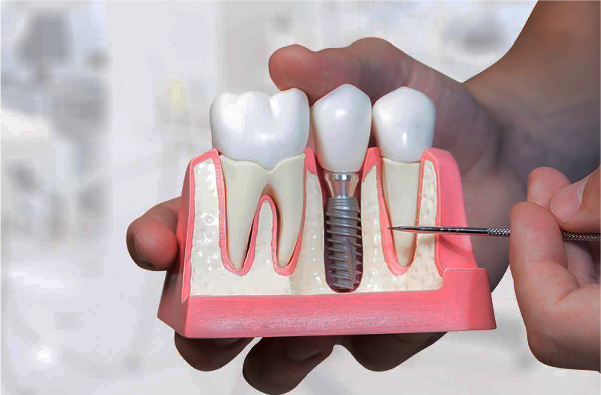
Dental implants are titanium posts surgically inserted into the jawbone, effectively serving as artificial roots for replacement teeth.
08-12-23