Full mouth restoration


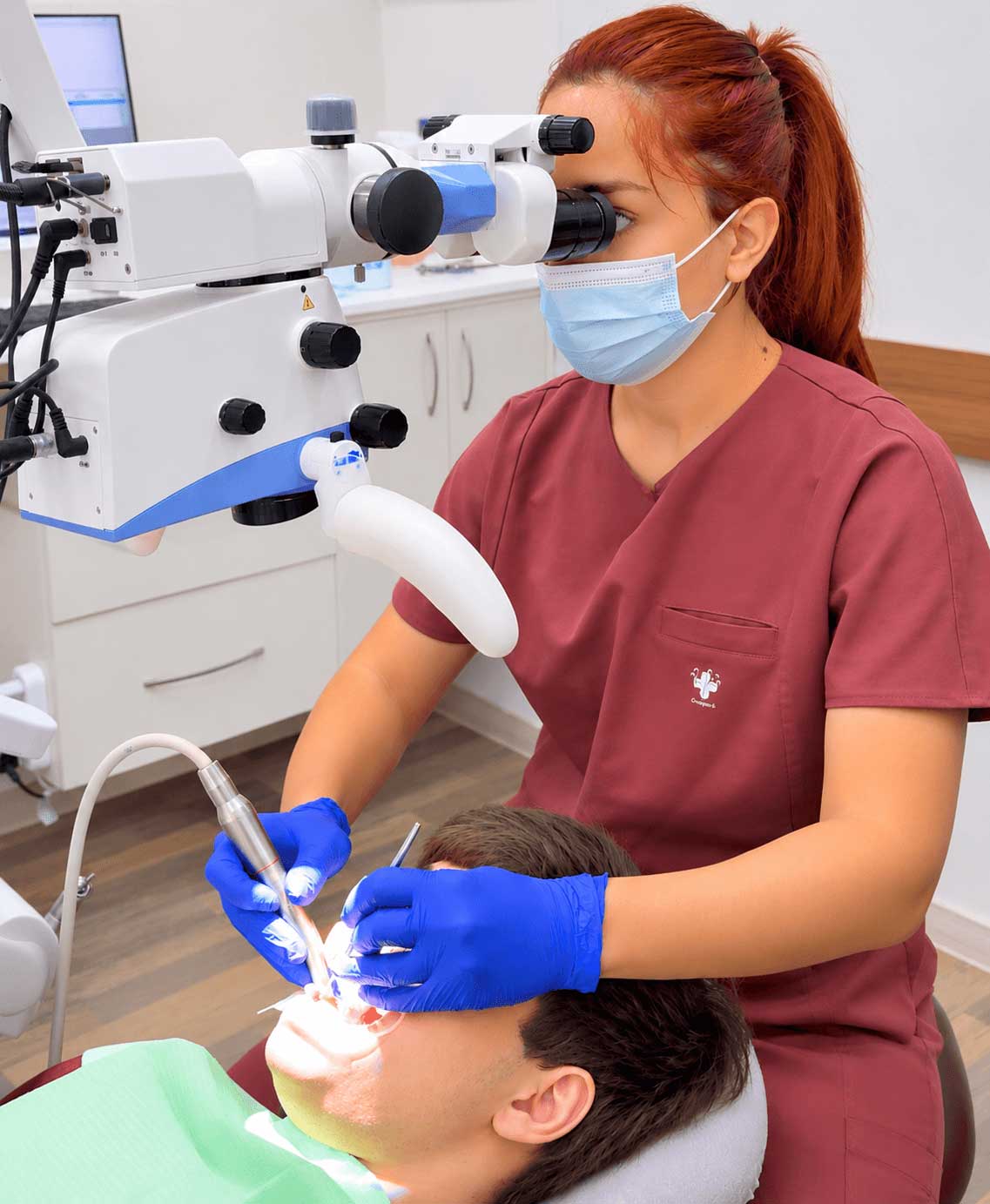
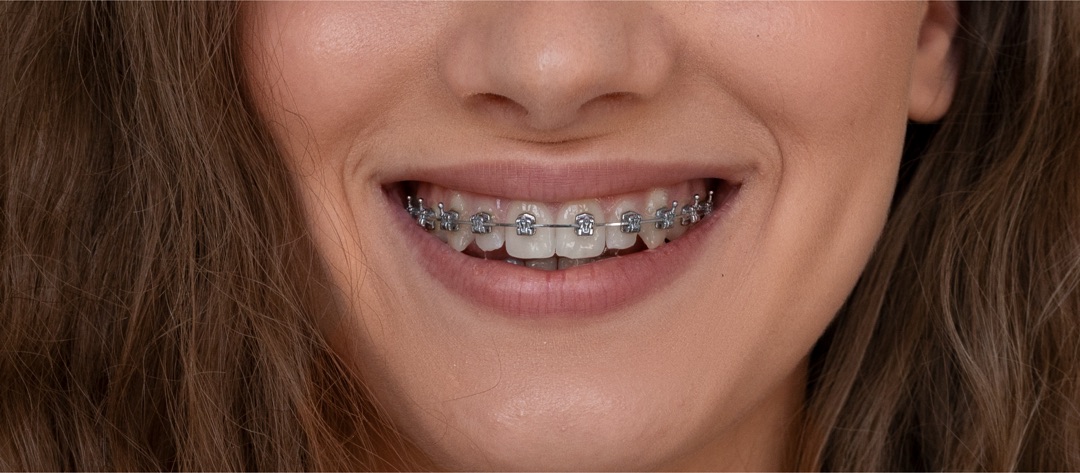
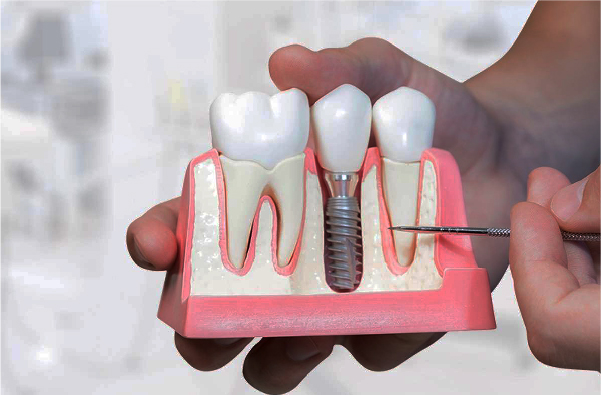
Healthy teeth are essential for proper chewing, clear speech, and maintaining normal oral function. When teeth become decayed, worn, or fractured, this can affect both the appearance of the smile and the overall functionality of the oral cavity. Modern dentistry in Armenia offers various tooth restoration methods, ranging from fillings and veneers to dental crowns, implants, and prosthetic restorations. The appropriate treatment method is selected based on the condition of the teeth and gums, the extent of the damage, and the patient's individual needs. Gum health is essential for preserving natural teeth and maintaining overall oral health. The main signs of gum disease include redness, swelling, and bleeding during tooth brushing. If inflammation is not treated promptly, it can affect the tissues supporting the teeth and the underlying bone, leading to tooth mobility and even tooth loss. The approach to treating gum disease depends on the severity of inflammation and the extent of tissue damage. Treatment may include professional dental cleaning, the removal of tartar and bacterial plaque, as well as ongoing monitoring of gum health. More complex cases may require additional therapeutic or surgical procedures. Healthy gums are also important before dental implant placement and when fitting dental crowns and prostheses. Dental implants are a modern solution for replacing missing teeth. The procedure involves placing an implant into the jawbone to serve as an artificial tooth root. A dental crown, bridge, or prosthesis is then attached to the implant, depending on the number of missing teeth and the patient's needs. Depending on the clinical situation, dental implants can be used to replace one or several missing teeth, as well as an entire dental arch using the All-on-4 or All-on-6 methods. The appropriate treatment option is selected after evaluating the condition of the teeth, gums, and jawbone. If the bone volume is insufficient, bone grafting may also be necessary. An important stage after implant placement is its integration with the jawbone, a process known as osseointegration. The duration of this process depends on individual factors and treatment conditions. Once osseointegration is complete, the permanent crown or prosthesis is placed. Proper oral hygiene and regular dental check-ups are also essential for maintaining long-term treatment results. They help monitor the condition of the implant and surrounding tissues, as well as identify potential complications at an early stage. Veneers and dental crowns are used to restore the appearance and function of teeth. Veneers cover the front surface of a tooth, improving its color and shape, while crowns cover the entire visible portion of a tooth, restoring its strength and chewing function. The suitability of veneers depends on the overall condition of the teeth and the availability of sufficient enamel. The need for and extent of tooth preparation depend on the type of veneers and the individual treatment plan. Whenever possible, priority is given to preserving as much of the natural, healthy tooth structure as possible. Dental crowns are primarily used to restore severely damaged or weakened teeth, including teeth that have undergone root canal treatment. They can be made from various materials, depending on the tooth's position, functional load, and aesthetic requirements. Dental crowns are made from various materials, selected according to the tooth's position in the dental arch, chewing forces, and aesthetic requirements. For example, when restoring front teeth, achieving a natural appearance is particularly important, while for back teeth, the strength and durability of the material are the primary considerations. A dental microscope allows dentists to examine tooth structures in detail and perform treatment with greater precision. It is particularly valuable during root canal treatment and in complex clinical cases, helping improve treatment accuracy and preserve healthy tooth tissue. Treatment for advanced gum disease depends on its severity and the condition of the tissues supporting the teeth. It may include the removal of plaque and tartar, deep cleaning below the gumline, and, when necessary, surgical intervention. Implant placement is planned once the gum disease is under control, as healthy gums and proper oral hygiene are essential for the long-term success of dental implants. Yes, under suitable conditions, it is possible to place dental implants and attach a temporary fixed prosthesis in one day using the All-on-4 or All-on-6 method in Armenia. This is determined during the initial examination, taking into account the condition of the jawbone and whether immediate implant placement and temporary prosthetic restoration are feasible. Veneers or zirconia dental crowns usually require 2–3 visits. The process includes an initial examination and treatment planning, tooth preparation, taking impressions or performing a digital scan, and fitting the final restorations. The overall process may take approximately two weeks, depending on the extent of treatment and the patient's individual needs. Implant-supported fixed prostheses are secured to dental implants placed in the jawbone, providing stability while chewing and speaking. They are not removed by the patient during everyday use. Traditional removable dentures, on the other hand, can be taken out for cleaning but may shift during use or require additional retention in some cases.Periodontal treatment
Dental implantation
Veneers and crowns
Frequently Asked Questions
Why do patients in Yerevan prefer modern microscope-assisted dental restoration for preserving natural teeth?
How do Armenian dental clinics treat advanced gum disease to ensure long-term dental implant success?
Is it possible to get full-mouth dental implants (All-on-4/6) and temporary teeth in just 1 day in Armenia?
How many visits are typically required to get aesthetic zirconia crowns or Hollywood smile veneers in Yerevan?
How do fixed implant-supported dentures compare to traditional removable dentures available in Armenian clinics?