Tooth Caries: Causes, Types, and Modern Treatment

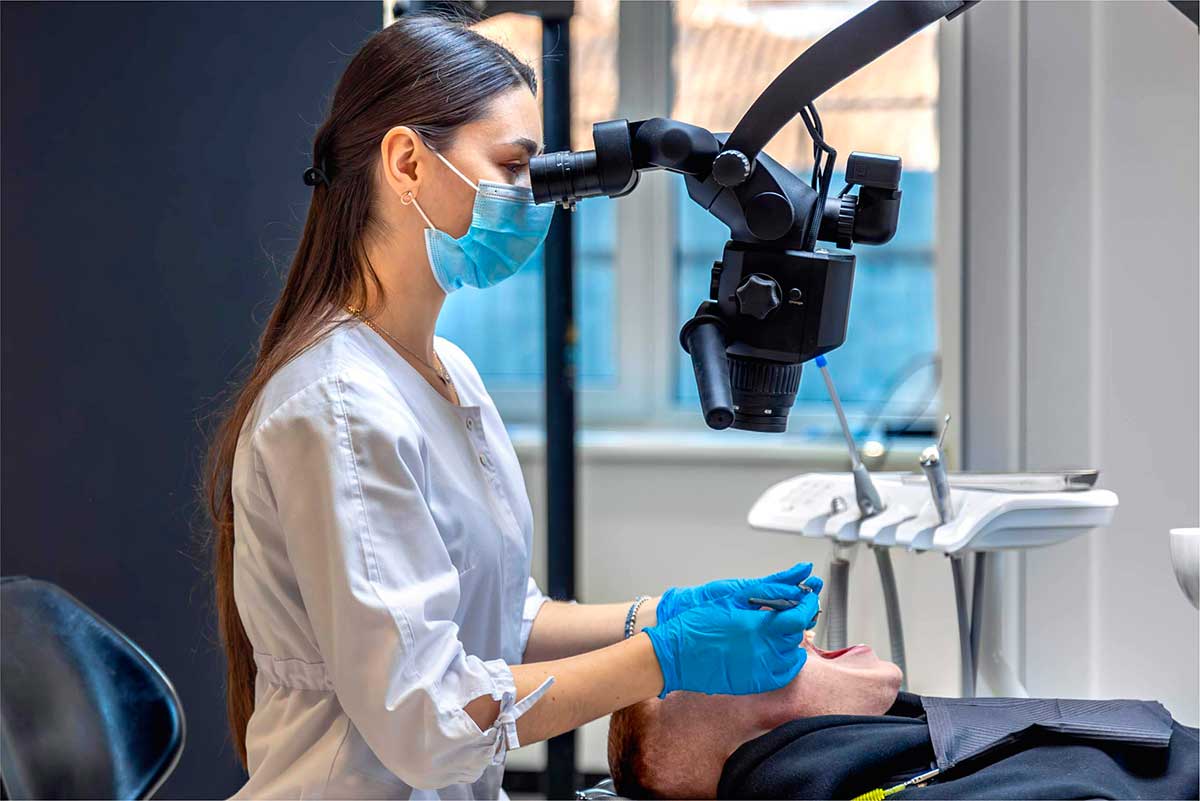
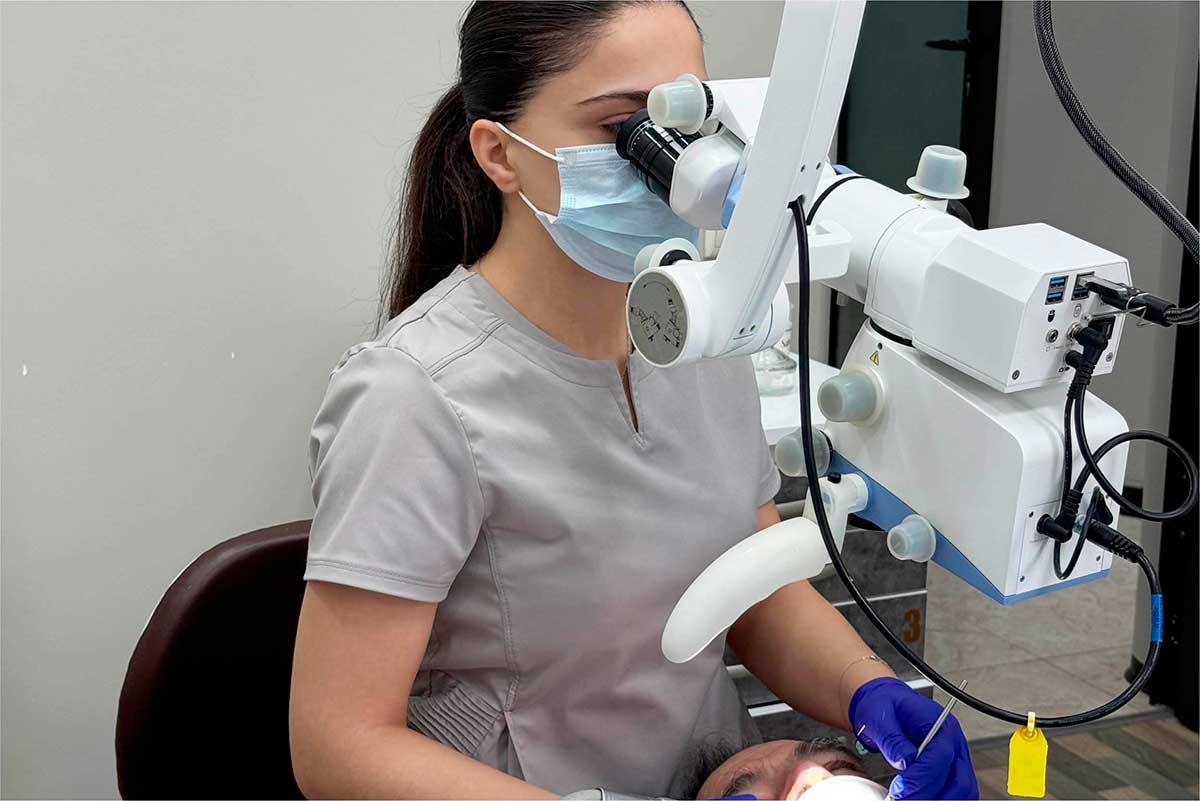
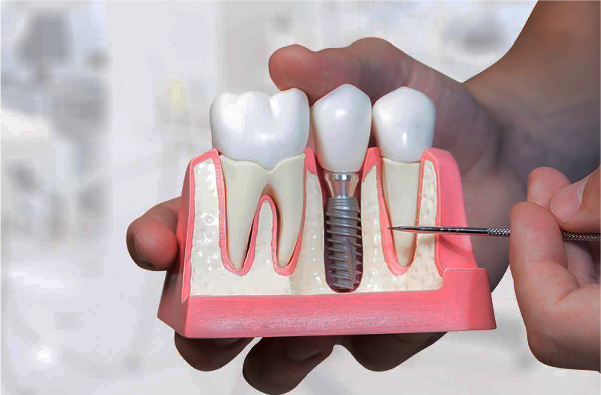
Cavities or tooth decay, also known as caries is one of the most common dental diseases globally, affecting everyone. Although many people consider it a minor issue, untreated caries can progress quickly, leading to pain, infections, and even tooth loss. Fortunately, today’s modern dentistry offers highly effective diagnostic and treatment methods. With advanced technology and early-detection tools, caries can now be identified sooner, treated more precisely, and prevented more successfully than ever before. In Armenia, all of these innovations are possible to experience at MaryClinic. Caries is a chronic, progressive destruction of tooth enamel and dentin caused by bacteria. These bacteria break down sugars in the mouth and produce acids that slowly erode the tooth structure. Depending on the severity and location of the damage, caries can be classified into several types: These occur in the natural grooves and depressions (pits and fissures) on the chewing surfaces of back teeth - molars and premolars. They may also appear on the back surfaces of front teeth. Because these areas trap food and bacteria easily, this is the most common form of caries. These cavities form on the flat, smooth areas of teeth, usually on the sides or near the gumline. They develop slowly and are typically caused by plaque buildup over time. Early stages can be difficult to notice without professional examination. When gums recede and the root surfaces become exposed, these areas - softer and less protected than enamel - can quickly develop decay. Root caries are especially common in older adults or in patients with gum disease or dry mouth. A sub-type of smooth surface caries, these develop between the teeth in areas that toothbrush bristles cannot reach. Interproximal caries are often invisible during routine inspection and are commonly detected using dental X-rays. The development of caries is influenced by multiple factors, including biological, dietary, and lifestyle habits. The most common causes are: Understanding these causes helps patients adopt more effective preventive behaviors, and all these you can successfully avoid if you attend MaryClinics, where everything is examined in detail and with care. Caries in its early stage often has no pain, which is why many patients ignore the first signs. Early symptoms include: Regular dental visits every six months allow dentists to detect caries at its earliest, reversible stage. Preventive measures such as professional cleanings, fluoride treatments, sealants, and hygiene education can significantly lower the risk of developing deep caries. Caries treatment depends on how far the decay has progressed. Today, dentistry uses both traditional restorative methods and modern, minimally invasive techniques focused on early intervention and tooth preservation. Traditional approaches or surgical models address the damage caused by caries by removing decayed tissue and restoring the tooth. These methods include: Fillings (Restorations): The decayed part of the tooth is removed with a drill, and the cavity is filled with composite resin, amalgam, or porcelain. Crowns: When a tooth has lost a large amount of structure, a custom crown covers and protects it, restoring strength and function. Root Canal Therapy: If decay reaches the pulp, the infected nerve is removed, the canals are cleaned, and the tooth is sealed to prevent reinfection. Extraction: In cases where the tooth is too damaged to save, it is removed and later replaced with a bridge or implant. Modern or minimally invasive dentistry aims to detect caries early and preserve as much natural tooth structure as possible. These techniques focus on prevention, remineralization, and minimal intervention: Fluoride Treatments: High-concentration fluoride helps reverse early lesions (white spots) before a cavity forms. Dental Sealants: A protective coating placed on chewing surfaces of molars to prevent decay and stop early lesions from progressing. Caries treatment under microscope is one of the most precise methods available in Yerevan. At MaryClinic, dentists use magnification technology to ensure optimal outcomes. Key advantages include: For very early lesions, the ICON method offers a drill-free alternative. ICON is ideal for initial caries and white spot lesions caused by enamel demineralization. Using a special low-viscosity resin, it penetrates weakened enamel, stops the caries process, and restores the tooth’s natural appearance - all without anesthesia or removing healthy tissue. This minimally invasive approach helps prevent future cavities and is often completed in a single visit, making it a comfortable and highly effective option for early-stage dental care. MaryClinic combines advanced technology, experienced specialists, and patient-centered care. The clinic offers modern diagnostics, microscope-assisted treatment, gentle pediatric care, and long-lasting restorative solutions. Whether dealing with early-stage caries or complex cases, MaryClinic ensures a comfortable, safe, and highly effective treatment experience. Your new smile begins with precision. Your confidence begins with MaryClinic.What Is Caries and What Types Exist
Pit and Fissure Caries
Smooth Surface Caries
Root Caries
Interproximal Caries
Main Causes of Caries Development
How to Detect Caries Early and Prevent Complications
How to Treat Caries: Traditional and Modern Methods
Caries Treatment Under Microscope: Benefits and Precision
Why Choose MaryClinic for Safe and Modern Caries Treatment